How a comparison is run.
Every option is held to your written requirement, in four questions, every figure sourced. It is how we choose what to quote. Then we supply, integrate and deliver.
How a comparison is run.
Every option is held to your written requirement, in four questions, every figure sourced. It is how we choose what to quote. Then we supply, integrate and deliver.
Four questions, one fixed order.
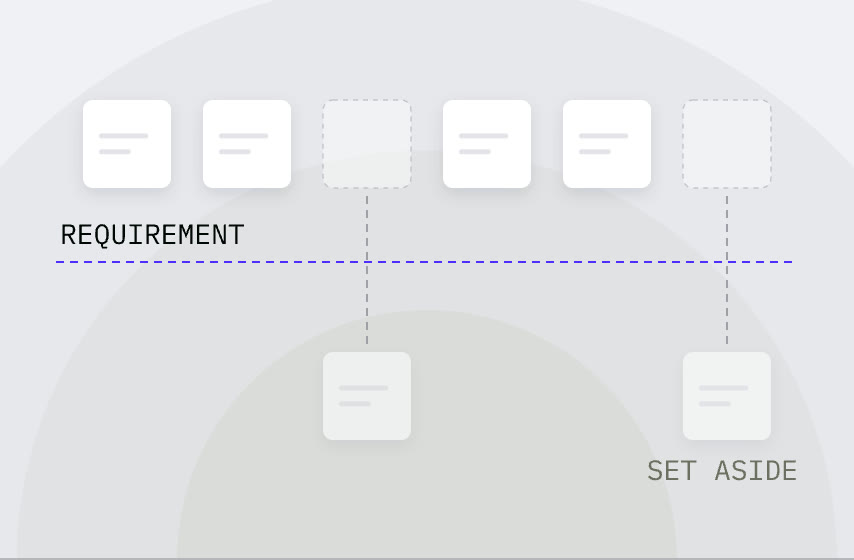
Does it answer the need?
Does the option address the requirement at all? Anything that does not is set aside here, not ranked lower later.
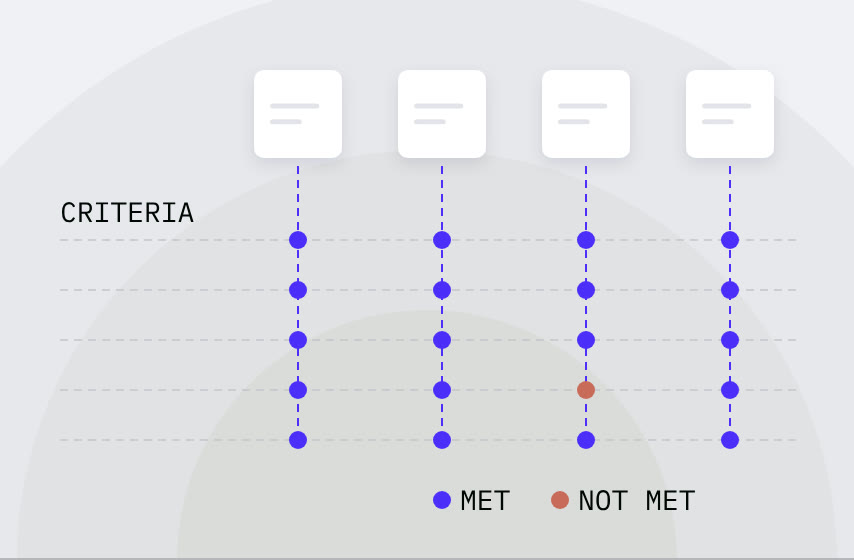
Does it meet every line?
Assessed against the stated criteria only. Options are never scored against each other. OpenAI saw no issues in staging, then hours of outage at full size (December 2024). Not our client. We write into your requirement: tested at your largest size.
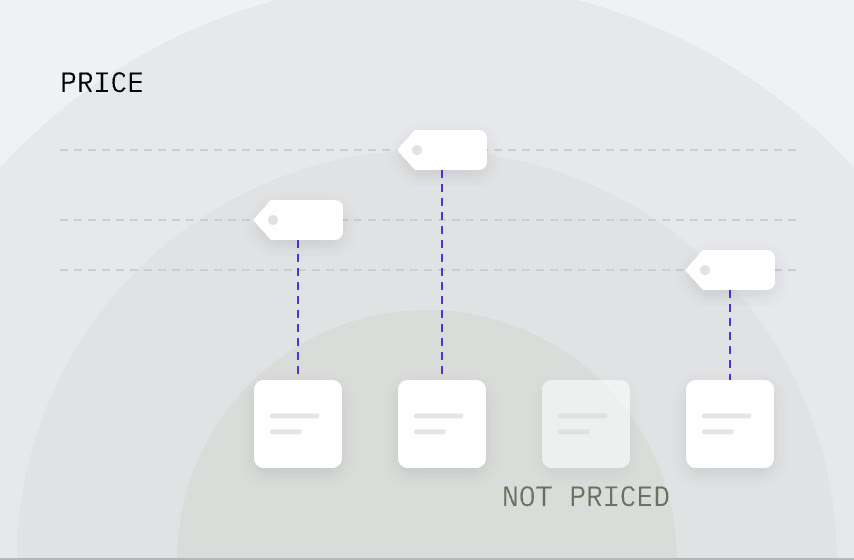
What does it cost?
Evaluated only among options that met every line. Cost never rescues an option that failed the requirement.
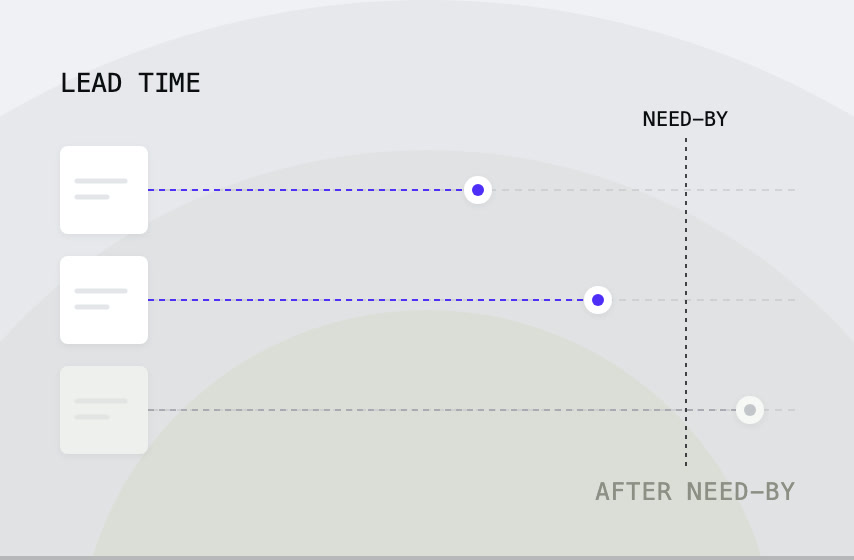
Can it arrive by your date?
Lead time, allocation, supply: can it be delivered?
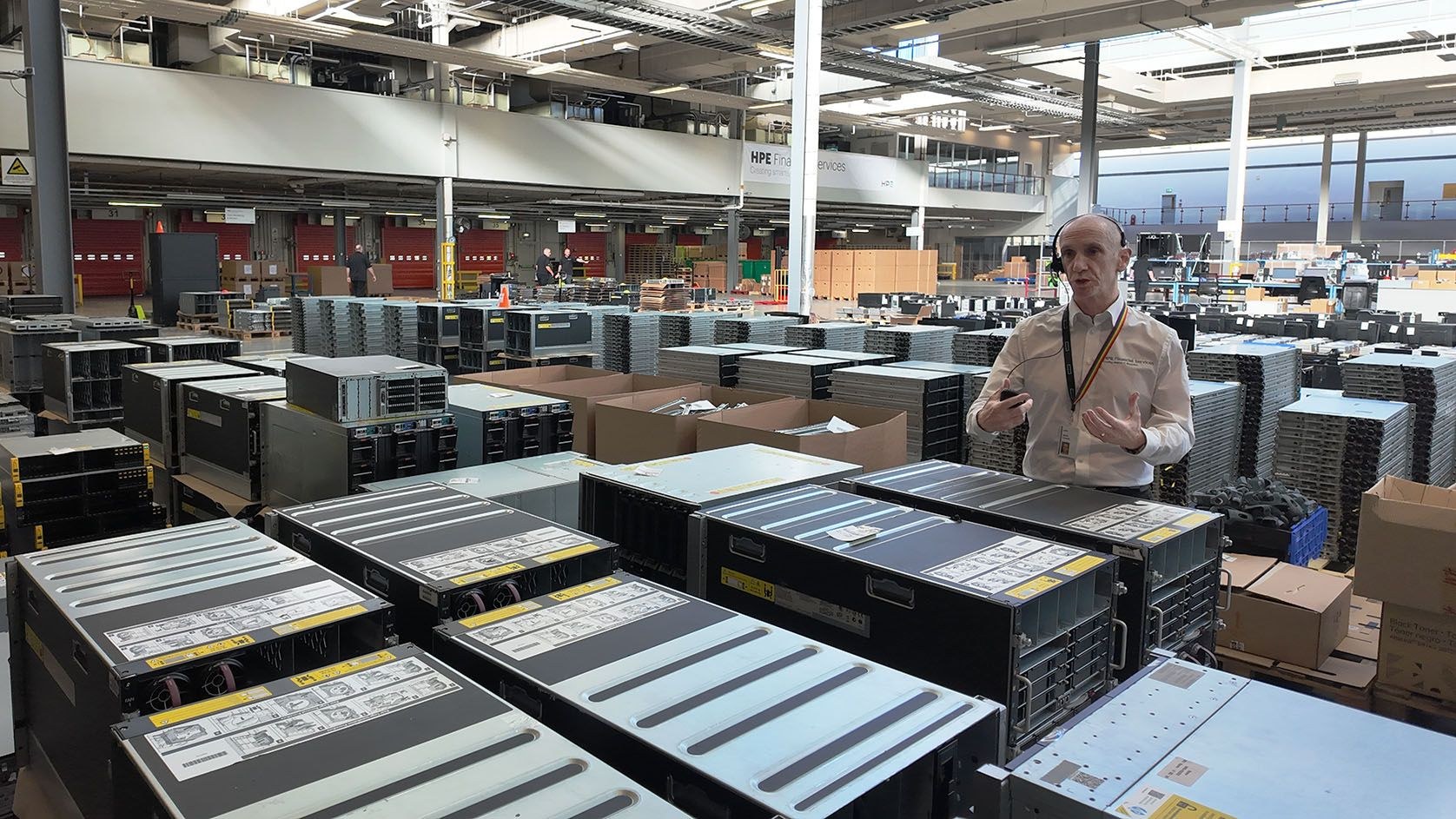
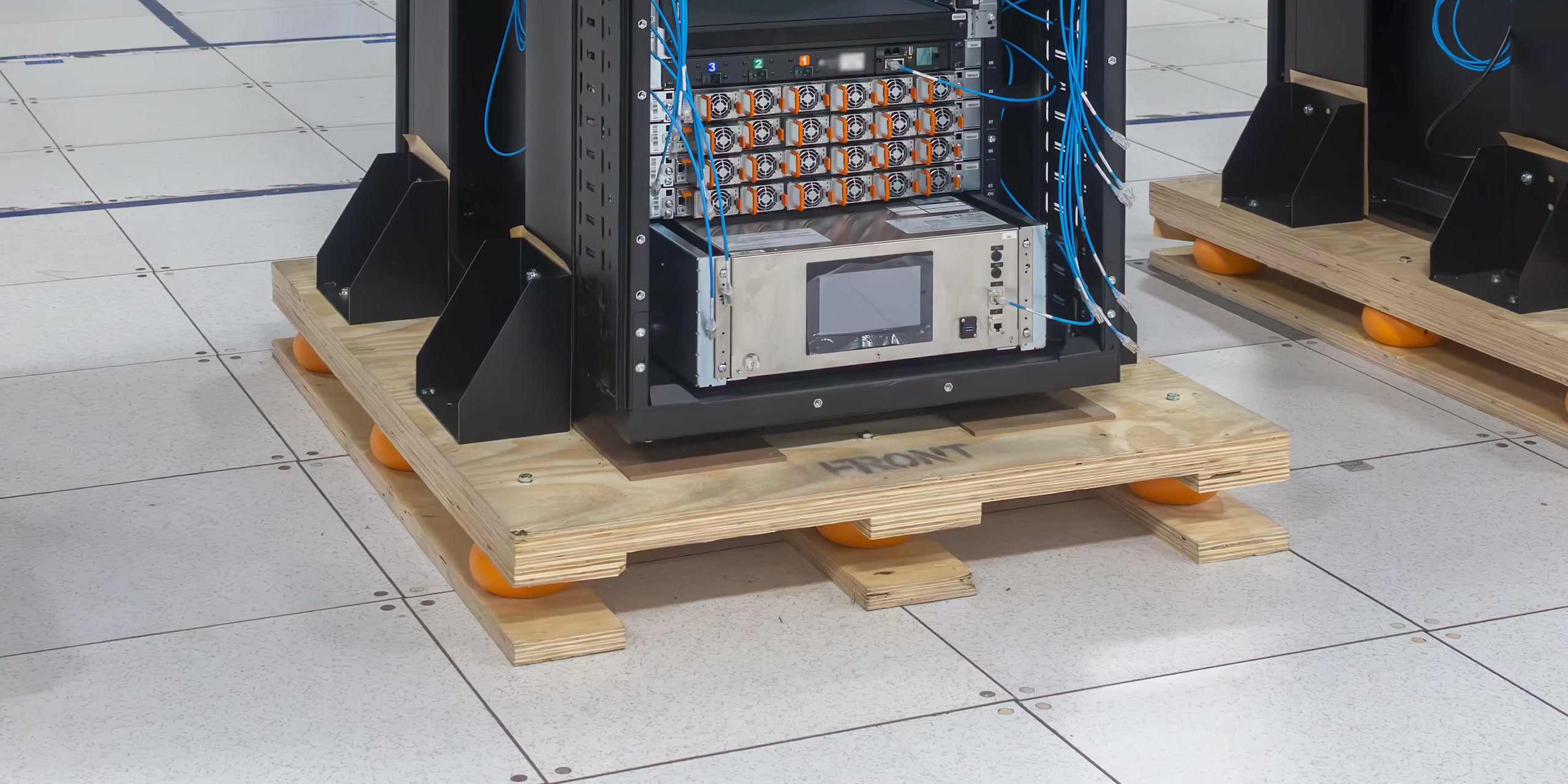
A staging floor, where the option a buyer chooses is built, cabled and burned in before it ships. The comparison decides what goes on it.
Frequently asked questions about the method.
How we choose what to quote: an assessment of every option we carry that can meet one buyer's written requirement, on the same criteria, with a source under every figure. It assesses published specifications against the requirement; it is not a ranking of products in general.
An RFP asks vendors to describe themselves and can take months. A comparison checks each option against your stated requirement and names the options that lose, before you get a quote.
When you buy through us. We earn on what we supply.
The buyer, with our engineers helping to make it precise. It is agreed and recorded before any option is priced, so it cannot be adjusted later to suit a result.
Because a cheap option that does not do what you need is not a saving. Price is weighed only among the options that met every line; cost never rescues an option that failed.
Meeting the requirement comes first in every comparison: met, not met, or met with a stated limitation, never a score out of ten. For hardware we also assess rack fit, power draw, lead time and availability. For platforms and software: license model, application and OS certification, migration path, and support. Five-year cost is shown beside them, but it only separates options that already conform.
Missing a stated requirement; not being suppliable in the quantity and time required (checked at the fourth question); or a specification that cannot be found in the vendor's own documents. A set-aside option stays in the published comparison, with the reason.
No. Nothing is bought, tested or benchmarked for a comparison, and we publish no performance claims. We compare what the vendor's documents state with what you asked for.
From vendor documents (datasheets, compatibility lists, published matrices) and from authorized distribution data. Every figure has its source beneath it. A figure we cannot source is left open and labeled, not estimated; one from a third party is marked provisional.
Every comparison we run on our own, and a client's when the client agrees: the requirement, every option, how each meets each criterion, what was set aside and why, the sources, and the recommendation. Prices, discounts and distributor terms are never published.
It is corrected, the comparison is re-dated and the correction is recorded on the page. A vendor can send a correction with its source at any time. A result is never withdrawn because a vendor dislikes it.
The lines we carry decide what we can supply and support. The same clauses apply to every line, including those we sell most of.
The comparison says so. A requirement best met outside our lines is a result we publish: always for our own comparisons, and for a client's with the client's agreement.